
Key facts
- Duration
- 45–60 minutes
- Sessions
- 1 to 2 sessions
- Anesthesia
- Not required (local if deep scaling is needed)
- Recovery
- Immediate
- Estimated cost
- Quoted at your consultation, based on diagnosis
- How long it lasts
- Stable with checkups every 6 months
- Recommended frequency
- Every 6 months (3–4 if you've had periodontitis)
- Includes
- Prophylaxis, fluoride, and a written prevention plan
Why you are here
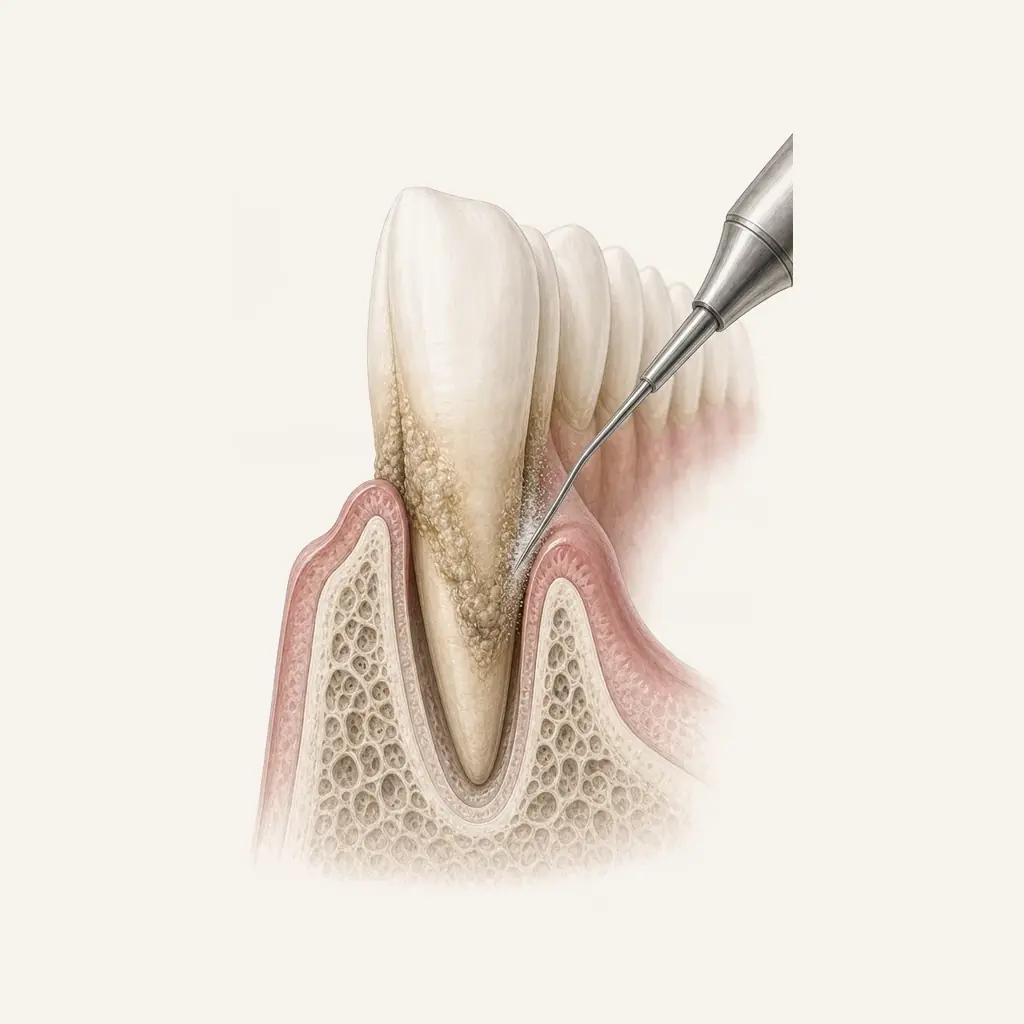
A professional cleaning removes the plaque and tartar that brushing at home can't reach. We start with a full evaluation, clean thoroughly, and go deeper (scaling and root planing) when we find periodontal pockets.
You leave with a written plan to keep your natural teeth healthy for the long run.
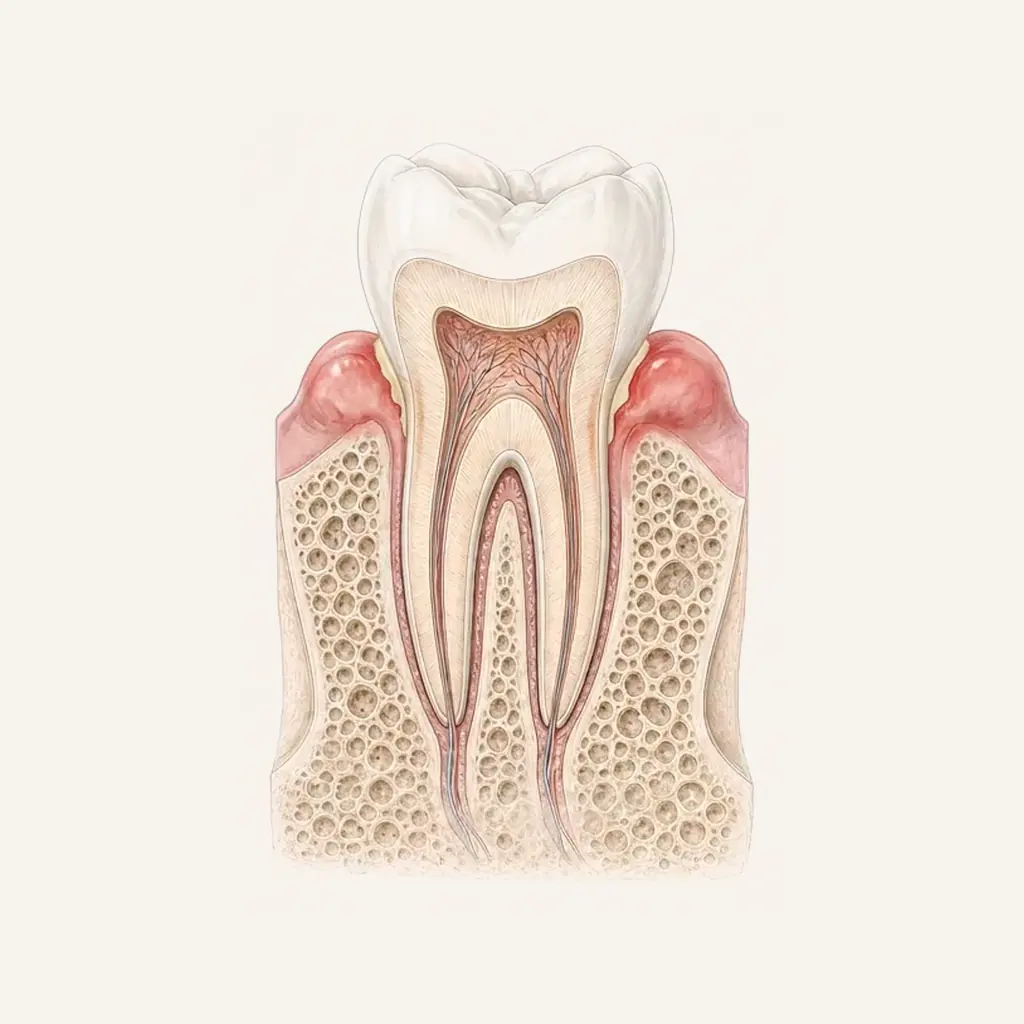
- Gums that bleed when brushing, or persistent bad breath
- More than a year since your last professional cleaning
- Previous diagnosis of gingivitis or early periodontitis
- Preparing for orthodontics, crowns, or implants

We explain every step before we start: what we will do, how long it takes, and what you will feel.
How the process works
Step 01 of 03
An honest diagnosis
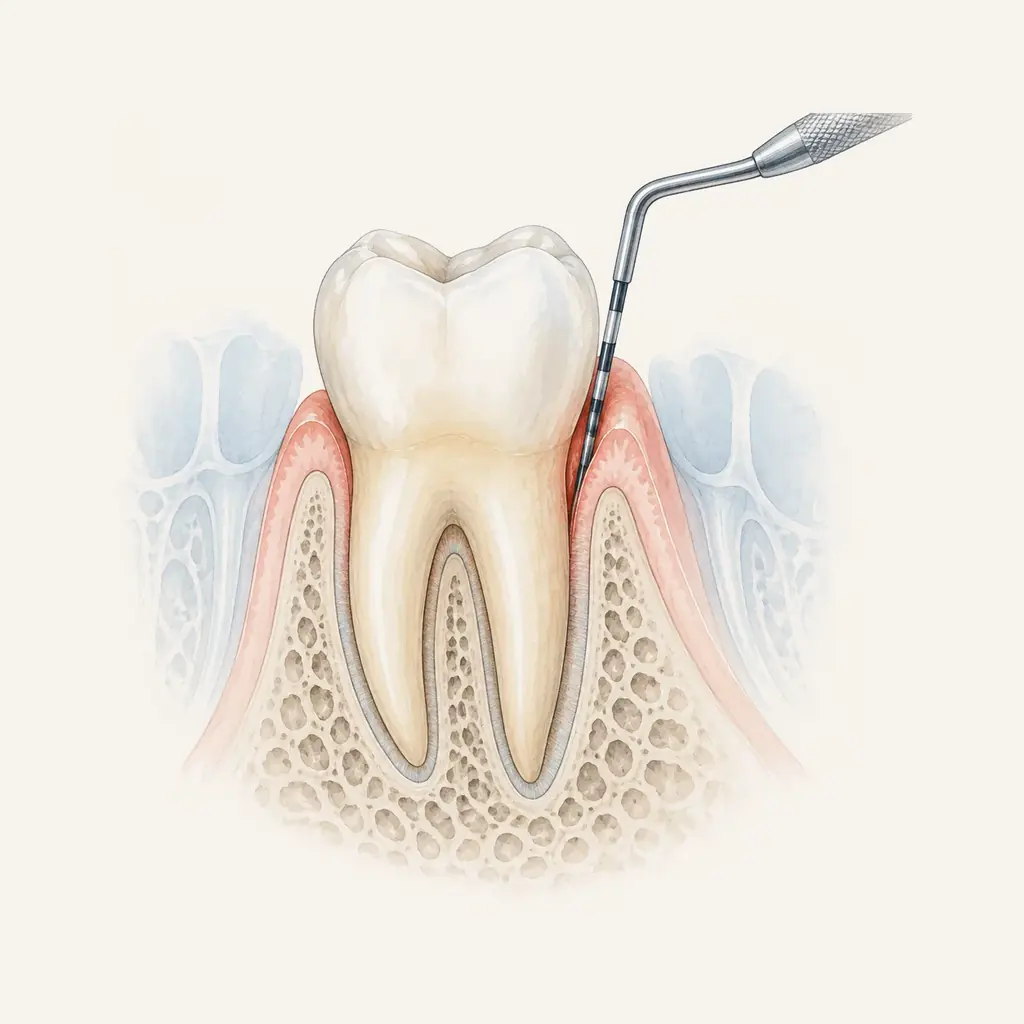
Full probing, X-rays, and a tooth-by-tooth review. You'll know exactly where your gums stand.
Your treatment includes
- Dental cleaning (prophylaxis) and tartar removal
- Deep dental cleaning: scaling and root planing
- Treatment for gingivitis and bleeding gums
- Full evaluation and plaque control
- Fluoride application and preventive sealants
Still not sure? Write to us and we will tell you if this is the right treatment for you.
Let's talkFrequently asked questions
Every 6 months for most people. If you've had periodontitis, every 3 to 4 months to keep the result stable.
With local anesthesia, deep cleaning is usually well tolerated. Mild soreness or cold sensitivity may last a few days, depending on how much treatment you need.
Bleeding almost always means inflamed gums from built-up plaque (gingivitis). It's reversible with a professional cleaning and better brushing. Left alone, it can progress to periodontitis and bone loss.
No. Cleaning removes tartar and stains, not enamel. Any temporary sensitivity comes from the tooth surface being clean again.
Tell us what has been bothering you.
Message us on WhatsApp and tell us about your symptoms. Our team will help you schedule the right consultation, with no forms to fill out.